Shabby Chic Vintage: A Timeless Design Element for Creative and Professional Projects
The Shabby Chic Vintage aesthetic has become a popular choice for designers, entrepreneurs, and creatives looking to infuse their work with charm, nostalgia, and a sense of history. This design style is characterized by muted colors, distressed textures, and an overall weathered appearance that evokes the feeling of a bygone era. When paired with high-resolution, 300 DPI seamless patterns in PNG format, such as a 12 x 12 design, it becomes a powerful asset for a wide range of applications—from digital branding to physical crafts.
Understanding the Shabby Chic Vintage Aesthetic
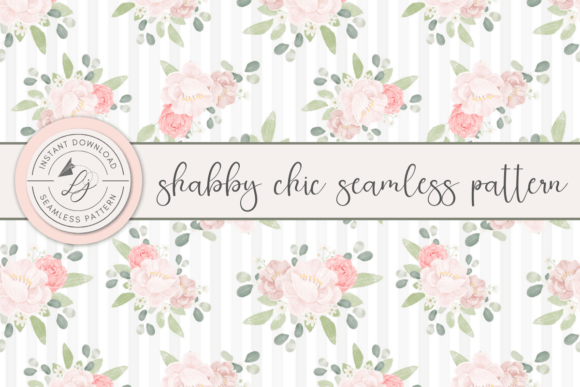
At its core, the Shabby Chic Vintage style draws inspiration from antique furniture, lace doilies, and old-world craftsmanship. It often features soft pastel tones, floral motifs, and subtle imperfections that suggest age and use. These characteristics make it ideal for creating designs that feel personal, authentic, and timeless.
A 12 x 12 seamless pattern in PNG format at 300 DPI ensures that the design remains crisp and clear when scaled for various uses. This level of detail is crucial for maintaining quality across different mediums, whether you're printing a business card or designing a large poster.
Integrating Shabby Chic Vintage into Your Workflow
When considering how to incorporate Shabby Chic Vintage into your workflow, it's important to think about both the creative process and the end goal. This design style can be used effectively before, during, and after a project to enhance visual appeal and brand consistency.
Before Starting a Project
Before beginning any design or production task, consider how the Shabby Chic Vintage aesthetic aligns with your brand identity or project theme. If you're launching a new product line or redesigning your website, using this pattern as a background or texture can help establish a cohesive visual language.
You might also want to gather reference materials or mood boards that showcase the Shabby Chic Vintage style. This can help guide your color choices, typography, and layout decisions throughout the project.
During the Creation Process
Once you've set the tone for your project, the Shabby Chic Vintage pattern can serve as a foundational element in your design. Whether you're working on a website, blog, or print material, using this pattern as a background or overlay can add depth and character to your visuals.
For those using tools like Cricut or Silhouette for cutting projects, the high-resolution PNG file ensures that the pattern remains sharp and detailed even when printed on fabric or paper. This makes it perfect for crafting items like keychains, mugs, or planners that require precision and clarity.
After Finalizing the Project
Even after completing a project, the Shabby Chic Vintage pattern can continue to play a role in your workflow. For instance, if you're running a marketing campaign, you might use this pattern for promotional materials like brochures, posters, or social media graphics. Its nostalgic appeal can help attract attention and create emotional connections with your audience.
Additionally, you can repurpose the pattern for future projects, ensuring a consistent look across all your branding efforts. This not only saves time but also helps build recognition and trust with your audience over time.
Practical Applications of Shabby Chic Vintage Patterns
The versatility of the Shabby Chic Vintage pattern makes it suitable for a wide variety of applications. Here are some specific use cases where this design can add value:
- Websites and Blogs: Use the pattern as a background or accent element to give your site a warm, inviting feel. It works especially well for lifestyle, home decor, or vintage-themed blogs.
- Cricut and Silhouette Projects: The seamless nature of the pattern allows for easy repetition without visible seams, making it ideal for crafting projects like wall art, scrapbook pages, or fabric appliques.
- Branding Materials: Incorporate the pattern into business cards, brochures, and packaging to create a cohesive and memorable brand identity. Its soft, vintage look can help differentiate your brand from competitors.
- Notebooks and Stationery: Print the pattern onto journal covers, planner pages, or envelope designs to add a touch of elegance and personality to your stationery sets.
- Paper Crafts and Wall Art: Use the pattern as a base for collages, greeting cards, or printable wall art. Its intricate details can elevate simple projects into something truly special.
Implementation Tips and Best Practices
To get the most out of your Shabby Chic Vintage pattern, it's important to follow a few best practices:
- Choose the Right Color Palette: While the pattern itself may have a specific color scheme, you can customize it to match your brand colors or project theme. Consider adjusting the hues slightly to ensure compatibility with other design elements.
- Ensure Compatibility: Before using the pattern in a project, check that it's compatible with the software or platform you're using. Most PNG files should work seamlessly with design tools like Adobe Photoshop, Canva, or Illustrator.
- Maintain Consistency: If you're using the pattern across multiple projects, maintain a consistent application of the design to avoid confusion or inconsistency in your branding.
- Test Before Printing: Always test the pattern on a small scale before committing to a large print run. This will help you identify any potential issues with resolution, alignment, or color accuracy.
By following these tips, you can ensure that your Shabby Chic Vintage pattern is used effectively and professionally across all your creative endeavors.
Long-Term Use and Quality Control
One of the advantages of using a high-resolution PNG file is its ability to withstand repeated use without losing quality. This makes it an excellent choice for long-term projects or ongoing branding efforts.
However, it's important to maintain quality control when using the pattern repeatedly. Over time, slight variations in color or alignment can occur, especially if the pattern is used across different platforms or devices. To mitigate this, always use the original file as a master copy and avoid editing it directly unless necessary.
Additionally, keep track of where and how the pattern is used. This can help you identify trends in its effectiveness and make adjustments as needed. For example, if you notice that the pattern works particularly well with certain types of content or audiences, you can focus on using it more frequently in those areas.
Incorporating the Shabby Chic Vintage pattern into your workflow doesn't just enhance the visual appeal of your projects—it also helps streamline your creative process and improve the overall quality of your output. By understanding how to use it effectively and consistently, you can unlock its full potential and create designs that resonate with your audience for years to come.