How to Create a Professional Digital Business Card Using Canva Templates
The Rise of Digital Business Cards in the Modern Era
In today's fast-paced digital landscape, traditional business cards are being replaced by their modern counterparts—digital business cards. These virtual alternatives offer a more convenient, eco-friendly, and visually appealing way to share contact information. With platforms like Canva, creating a professional digital business card has never been easier. The Digital Business Card Canva Template provides an intuitive and customizable solution for individuals and businesses alike.
Whether you're a freelancer looking to network at a conference or a small business owner aiming to expand your reach online, a digital business card is a powerful tool. It allows you to showcase your brand identity with ease while ensuring that your contact details are always accessible through a mobile device or email.
Understanding the Features of the Digital Business Card Canva Template
The Digital Business Card Canva Template is designed to be user-friendly, even for those who are not familiar with graphic design software. This template includes several key features that make it stand out from other digital business card options:
- Customizable Design Elements: Users can easily change text, colors, fonts, and images to match their personal or brand style.
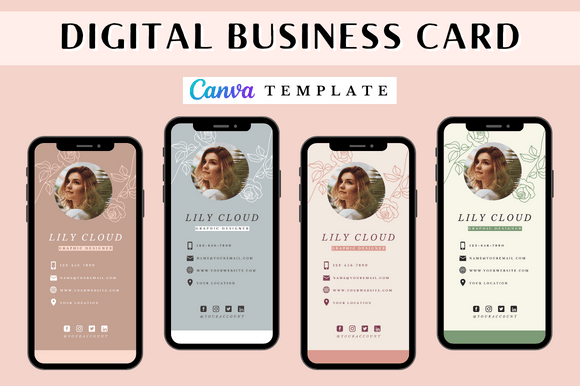
- Multiple Color Options: The template comes with four different color variations, allowing users to choose the one that best fits their aesthetic preferences.
- High-Resolution Format: The dimensions of 1080 x 2162 pixels ensure that the digital business card looks sharp on any screen or when printed.
- No Need for Canva Pro: The template is fully editable using the free version of Canva, making it accessible to everyone without additional costs.
These features collectively make the Digital Business Card Canva Template an excellent choice for anyone seeking a professional yet flexible digital presence.
Practical Use Cases for Digital Business Cards
Digital business cards have found their place in various industries and scenarios. Here are some practical use cases where they prove particularly useful:
- Networking Events: At conferences, trade shows, or meetups, sharing a digital business card via email or social media is faster and more efficient than handing out physical cards.
- Remote Work and Virtual Meetings: When working remotely, digital business cards can be shared during video calls or sent as part of a follow-up email after a meeting.
- Marketing Campaigns: Businesses can include digital business cards in their marketing materials, such as brochures, websites, or social media posts, to provide instant access to contact information.
- Personal Branding: Creators, educators, and researchers can use digital business cards to establish their personal brand and connect with potential collaborators or students.
By leveraging the Digital Business Card Canva Template, professionals can create visually striking and functional digital cards tailored to their specific needs.
Advantages of Using Canva for Digital Business Cards
While there are many tools available for designing digital business cards, Canva stands out due to its simplicity and versatility. Here are some of the advantages of using Canva for this purpose:
- User-Friendly Interface: Canva’s drag-and-drop editor makes it easy for beginners to create stunning designs without prior design experience.
- Vast Library of Assets: From icons and illustrations to fonts and templates, Canva offers a wide range of resources that can be used to enhance the visual appeal of your digital business card.
- Collaboration Features: If you’re working with a team or need feedback from others, Canva allows multiple users to collaborate on the same project in real time.
- Export Options: Once your digital business card is ready, you can download it as a PDF file or share it directly via a link. This flexibility ensures that your card can be used in various formats and contexts.
These benefits make Canva an ideal platform for creating high-quality digital business cards, especially when using the Digital Business Card Canva Template.
Tips for Customizing Your Digital Business Card
Creating a digital business card is just the first step. To make it truly effective, it should be customized to reflect your personal or brand identity. Here are some tips to help you get started:
- Choose the Right Colors: Select a color scheme that aligns with your brand or personal style. The Digital Business Card Canva Template offers four pre-designed color options, but you can also customize them further if needed.
- Use High-Quality Fonts: Choose fonts that are both readable and aesthetically pleasing. Avoid using too many different font styles, as this can make your design look cluttered.
- Incorporate Relevant Images: Adding a professional photo or logo can help personalize your digital business card and make it more memorable.
- Keep It Simple: While it’s tempting to add too much information, keep your design clean and focused. Include only the most important details, such as your name, title, contact information, and a brief description of your work.
By following these tips, you can create a digital business card that not only looks great but also effectively communicates your message.
Why the Digital Business Card Canva Template Is a Game-Changer
The Digital Business Card Canva Template represents a significant shift in how professionals and businesses approach networking and branding in the digital age. Its combination of ease of use, customization options, and professional design makes it a valuable resource for anyone looking to create a compelling digital presence.
Whether you're a new entrepreneur trying to build your brand or an experienced professional looking to streamline your networking efforts, this template offers everything you need to create a digital business card that stands out. With no need for advanced design skills or expensive software, it empowers users to take control of their visual identity and make a lasting impression on potential clients, partners, and colleagues.